
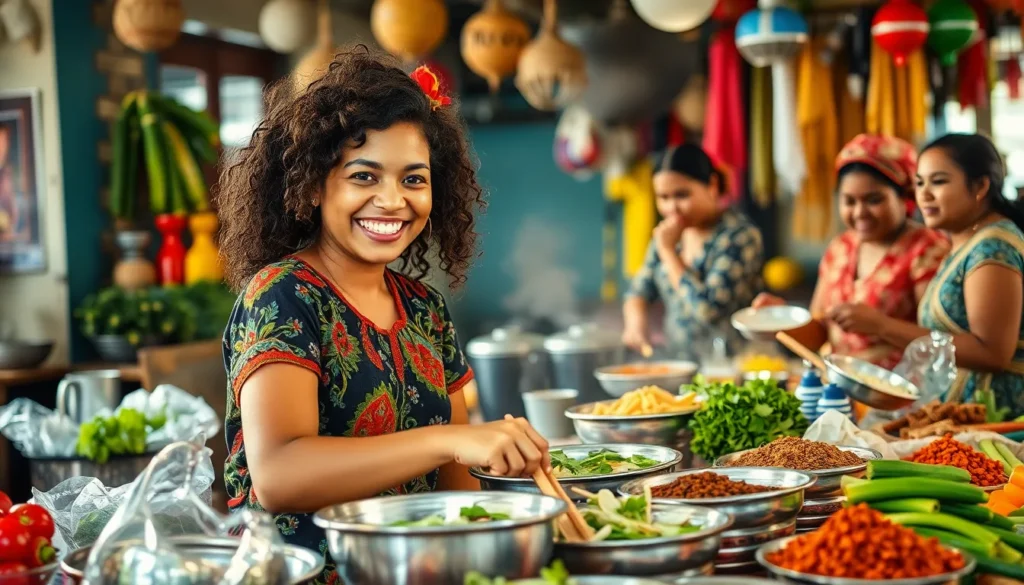
In today’s fast-paced world, travelers seek more than just a getaway; they crave experiences that engage all their senses. Immersive travel experiences have emerged as a powerful way to connect with destinations on a deeper level. From culinary adventures that tantalize taste buds to cultural explorations that spark curiosity, these journeys invite travelers to step into the heart of a place.
As the tourism landscape evolves, immersive experiences offer a unique blend of education, entertainment, and personal connection. Whether it’s participating in local festivals or exploring hidden gems off the beaten path, these adventures create lasting memories. Discover how immersive travel can transform the way one experiences the world, making every trip not just a vacation but a journey of discovery.
What Are Immersive Travel Experiences?
Immersive travel experiences engage travelers in unique ways, focusing on authentic connections with destinations. These experiences go beyond standard sightseeing, emphasizing participation in local culture, activities, and traditions.
Immersive travel experiences often involve:
- Culinary Adventures: Travelers explore cooking classes that showcase regional cuisines, taste local delicacies, and learn food history.
- Cultural Explorations: Travelers engage with local communities, participate in traditional celebrations, and understand cultural practices deeply.
- Nature Discovery: Travelers experience guided hikes or wildlife tours, connecting with nature through firsthand encounters and conservation efforts.
- Interactive Workshops: Travelers take part in art, music, or craft workshops led by local artisans, gaining insight into cultural skills.
These experiences foster personal connections, allowing travelers to create lasting memories. Engaging multiple senses, immersive travel transforms ordinary vacations into profound journeys.
Benefits of Immersive Travel Experiences

Immersive travel experiences offer significant advantages, transforming ordinary trips into profound adventures. These benefits include enhanced cultural understanding and strengthened emotional connections.
Enhancing Cultural Understanding
Enhancing cultural understanding happens through direct engagement with local communities. Travelers participate in traditional events, culinary classes, or artisanal workshops, gaining insights about local customs and practices. For instance, attending a local festival provides firsthand exposure to cultural celebrations. Interacting with residents fosters meaningful exchanges, deepening appreciation for local traditions. Engaging with diverse lifestyles and perspectives enriches travelers’ worldviews and promotes global empathy.
Strengthening Emotional Connections
Strengthening emotional connections occurs as travelers share experiences with local people. Personal interactions—such as storytelling with community members—create lasting bonds and foster friendships. Engaging in volunteer opportunities lets travelers contribute to local well-being while fostering emotional ties. Memory-making processes, like exploring scenic landscapes together, further enhance these relationships. Ultimately, immersive travel fosters profound memories and a sense of belonging, transcending typical tourist experiences.
Types of Immersive Travel Experiences
Immersive travel experiences come in various forms, each offering unique opportunities to connect with destinations. They cater to diverse interests, allowing travelers to engage deeply with their surroundings.
Adventure-Based Experiences
Adventure-based experiences incorporate activities that stimulate adrenaline and combine excitement with discovery. Travelers can partake in hiking expeditions across breathtaking landscapes, such as the Inca Trail in Peru or the Appalachian Trail in the United States. Rock climbing in destinations like Moab, Utah, or white-water rafting in Costa Rica also provides thrilling ways to explore natural wonders. Other options include wildlife safaris in Africa or snorkeling in the Great Barrier Reef, both showcasing the beauty of diverse ecosystems. Each adventure fosters personal growth and strengthens connections with nature, transforming each journey into an unforgettable experience.
Cultural and Historical Experiences
Cultural and historical experiences immerse travelers in the rich heritage of their destinations. They offer access to local customs, traditions, and histories through participatory activities. Engaging in traditional dance classes in Bali or attending workshops on pottery in Oaxaca enables travelers to learn from local artisans. Visiting historical sites, like the ancient ruins of Machu Picchu or the historic streets of Kyoto, provides insight into a region’s past and significance. Culinary experiences, such as local cooking classes in Italy or food markets in Thailand, deepen appreciation for regional flavors and cooking techniques. These connections lead to a greater understanding of cultural narratives and foster meaningful interactions with community members.
How to Plan an Immersive Travel Experience
Planning an immersive travel experience requires thoughtful consideration and strategic organization. Travelers focus on destinations that offer unique interactions and connections with local culture.
Researching Destinations
Researching destinations involves identifying places that resonate with personal interests and values. Travelers can utilize online resources, travel blogs, and forums to gather insights about various locations. Prioritizing regions known for their immersive experiences enhances the likelihood of authentic encounters. Evaluating reviews and testimonials provides valuable perspectives from other travelers. Consider utilizing social media channels to discover hidden gems and unique experiences offered by local guides. Focusing on the local culture, history, and available activities in each destination also significantly enriches the planning process.
Engaging with Local Communities
Engaging with local communities enhances the immersive travel experience. Travelers should seek opportunities to participate in local events, festivals, or workshops. Establishing connections with local residents fosters authentic interactions and a deeper understanding of cultural practices. Choosing accommodations that promote community engagement, such as homestays or guesthouses, strengthens these connections and provides unique insights. Utilizing community-driven platforms for activities ensures travelers support local economies and receive genuine experiences. Prioritizing volunteer opportunities also facilitates meaningful exchanges, allowing travelers to give back while forming lasting relationships with the community.
Immersive travel experiences redefine how individuals connect with the world around them. By engaging all senses and fostering authentic interactions, these journeys create lasting memories that resonate long after the trip ends. Travelers not only gain a deeper understanding of local cultures but also form meaningful relationships that enrich their lives.
As tourism continues to evolve, the desire for immersive experiences will likely grow stronger. By prioritizing personal connections and active participation, travelers can transform ordinary vacations into extraordinary adventures. Embracing this shift will lead to more profound insights and a genuine appreciation for the diverse tapestry of global cultures.