
Table of Contents
ToggleInstalling shelves might sound as thrilling as watching paint dry, but it doesn’t have to be! With a little creativity and the right tools, anyone can transform their walls from drab to fab. Imagine a world where your books, plants, and quirky knick-knacks have a stylish home, all thanks to your DIY prowess.
Overview of DIY Shelf Installation
DIY shelf installation transforms a space with functional and aesthetic elements. Shelves serve various purposes, from displaying personal collections to organizing everyday items. Individuals can choose from various materials, including wood, metal, or glass, depending on the desired style and function.
Planning is essential for a successful installation. Prioritize the location of the shelves based on their intended use. Measure wall space accurately; determining the height and spacing ensures that the shelves complement existing decor and provide easy access.
Selecting the right hardware is crucial for stability. Use brackets designed for the shelf type, accommodating weight limits. Secure screws into wall studs whenever possible for added support. For drywall installation, options such as toggle bolts or anchors provide adequate hold.
Assembly requires attention to detail. Level each shelf with a level tool; this eliminates any slope that could make items slide off. Align shelves according to the layout, ensuring uniform spacing between multiple units.
Finishing touches enhance the overall presentation. Consider painting or staining wooden shelves to match or contrast with wall colors. Adding decorative elements, such as bookends or potted plants, can create a personalized touch.
Overall, DIY shelf installation allows for creative expression while increasing functionality in any room. With careful planning and execution, anyone can achieve a stylish and practical storage solution.
Essential Tools and Materials
For successful DIY shelf installation, having the right tools and materials on hand is crucial. These essentials simplify the process and increase efficiency.
Tools Needed
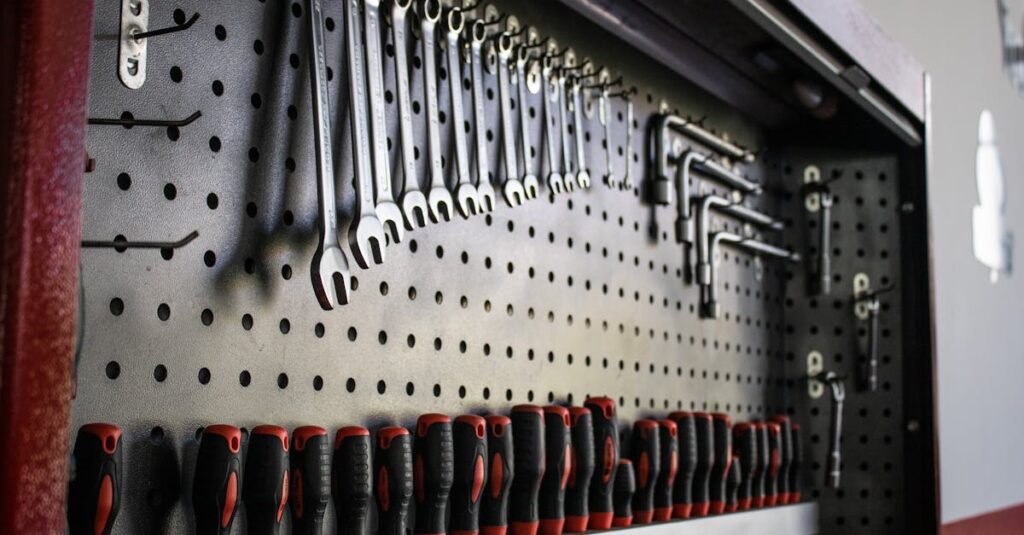
Measuring tape ensures accurate dimensions for placement. A stud finder helps identify strong wall supports. A level keeps shelves perfectly straight. A drill drives screws into the wall securely. Additionally, a screwdriver is useful for manual adjustments. Pencils or markers allow for clear marking on the wall, making alignment easier. Safety goggles protect eyes during installation.
Materials Required
Selecting quality materials is necessary for durability. Wooden boards work well for shelves, with common choices being pine, oak, or MDF. Brackets provide additional stability; metal options offer strength, while decorative styles enhance aesthetics. Screws should match the shelf material and wall type to ensure a firm hold. Wall anchors might be needed for drywall installations, offering extra support. Consider finishes like paint or stain to personalize the look of the shelves.
Step-by-Step Installation Process
This section outlines a straightforward process for DIY shelf installation. It includes essential steps to ensure a successful project.
Planning and Measuring
Begin by assessing the wall space where shelves will be installed. Measure the available height and width to determine the optimal shelf arrangement. Consider the type of items that will sit on the shelves; heavier items require more sturdy support. Mark desired shelf positions on the wall, ensuring even spacing for a balanced look. Use a level for accuracy while measuring.
Installing Shelf Supports
Choose appropriate brackets based on the weight and size of the shelves. Once brackets are selected, position them at the marked locations on the wall. Drill pilot holes into the wall using a stud finder to locate studs. Secure the brackets with screws, making certain each is level before tightening completely. Check stability by applying gentle pressure to each bracket.
Placing and Securing the Shelves
After securing the brackets, carefully place the shelves onto them. Ensure each shelf sits flat and check the alignment one more time for even spacing. Use a level to confirm that the shelves are straight. For added security, attach screws through the brackets into the shelves. This step provides extra stability, especially with heavy items.
Common Challenges and Solutions
DIY shelf installation can present several challenges. Recognizing these issues and their solutions enhances the overall experience.
Uneven Walls
Uneven walls can complicate shelf installation. Many homes feature walls that aren’t perfectly straight. Using a level during the installation process is essential to ensure shelves remain straight. When encountering dips or bumps, one option involves shimming brackets to compensate for these irregularities. Alternatively, choosing adjustable shelving systems can provide flexibility, allowing adjustments based on wall contours.
Weight Distribution Issues
Weight distribution issues frequently arise when installing shelves. Shelves that support heavy items can sag or fail without proper support. To prevent this, always consider the weight capacity of the materials used. Reinforcing shelves with additional brackets or securing them into wall studs offers enhanced stability. Spreading out weight evenly across the shelf will also reduce strain on individual brackets, promoting longevity and safety.
Successfully installing DIY shelves can transform any space into a functional and stylish area. With careful planning and the right tools, anyone can tackle this rewarding project.
By following the outlined steps and considering essential factors like weight distribution and wall irregularities, individuals can avoid common pitfalls. The satisfaction of creating personalized storage solutions adds a unique touch to home décor.
Whether it’s for books, plants, or cherished collectibles, DIY shelves not only optimize space but also reflect personal style. Embracing this creative endeavor allows for both practicality and artistic expression in every room.