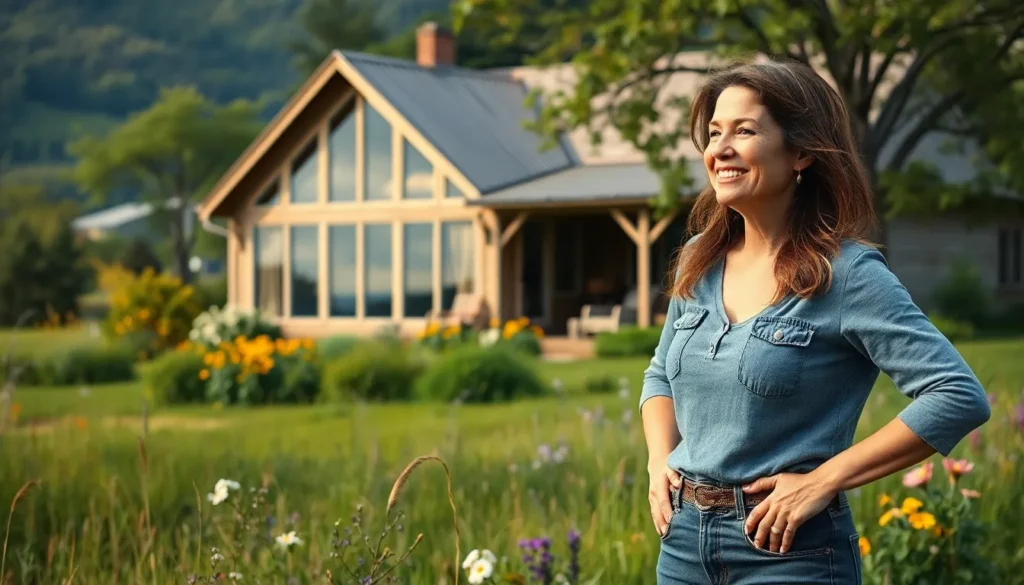
Rural home design captures the essence of tranquility and simplicity, blending seamlessly with the natural landscape. As more people seek refuge from urban chaos, the demand for thoughtfully designed rural homes has surged. These homes not only offer a peaceful retreat but also reflect the unique character of their surroundings.
Emphasizing sustainable materials and energy-efficient features, rural home design prioritizes harmony with nature. From cozy cottages to modern farmhouses, each design tells a story of its environment while catering to the needs of modern living. Exploring the principles of rural home design opens a world of possibilities for creating a serene and inviting space that feels like home.
Overview of Rural Home Design
Rural home design focuses on creating living spaces that integrate seamlessly with their natural surroundings. These homes prioritize sustainability, simplicity, and comfort, appealing to those seeking a serene lifestyle away from urban environments.
Characteristics of Rural Home Design
- Natural Materials: Rural homes often utilize wood, stone, and metal, stressing harmony with nature.
- Open Spaces: Designs include large windows and open floor plans, allowing for an abundance of natural light and scenic views.
- Functional Layouts: Layouts emphasize practicality, with multifunctional spaces catering to various activities and needs.
- Sustainable Features: Many rural designs incorporate energy-efficient systems, solar panels, and rainwater harvesting, reducing environmental impact.
- Regional Styles: Architectural styles vary, with influences from the local culture, climate, and landscape, creating unique character in each home.
Importance of Rural Home Design in Modern Architecture
Rural home design plays a pivotal role in modern architecture by promoting sustainability and connection to nature. It encourages architects and builders to explore innovative solutions that prioritize environmental consciousness. Additionally, these designs address the increasing demand for retreats that offer tranquility and space, enhancing overall quality of life. The rising trend of remote work further amplifies the significance of rural homes as viable living options, fostering a lifestyle that is both peaceful and productive.
Popular Styles of Rural Homes
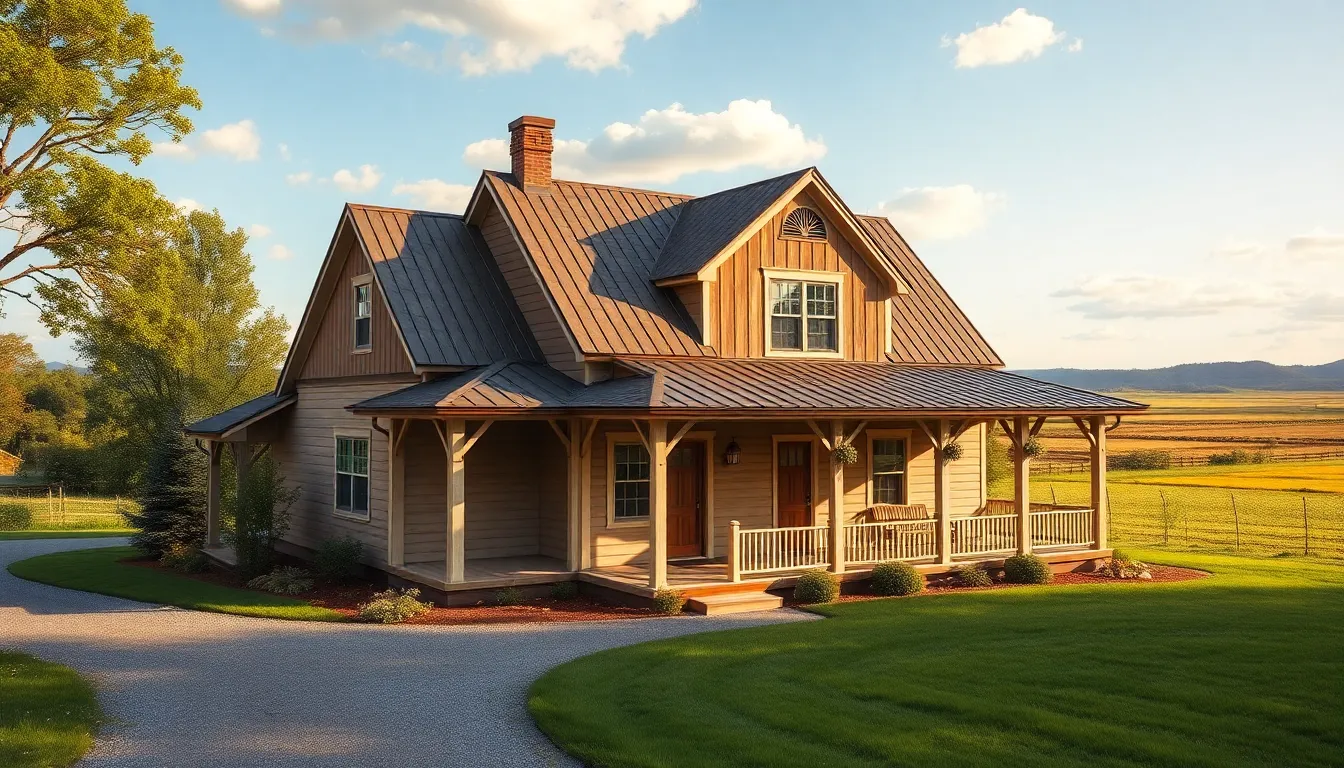
Rural homes incorporate a variety of styles that blend with their natural surroundings. From time-honored designs to modern interpretations, these homes reflect the essence of rural living.
Traditional Styles
Traditional rural styles emphasize craftsmanship and historical significance. Styles include:
- Cottages: Cottages frequently feature thatched roofs, timber framing, and cozy interiors. These homes often use local materials, creating a time-honored feel.
- Farmhouses: Farmhouses commonly present spacious layouts, front porches, and gabled roofs. They promote functionality, ideal for agricultural life.
- Victorian Homes: Victorian homes spotlight intricate details, elaborate trim, and vibrant colors. These houses often draw attention for their unique architectural features.
Contemporary Adaptations
Contemporary rural styles shift towards modern aesthetics while maintaining a connection to the environment. Adaptations include:
- Modern Farmhouses: Modern farmhouses merge traditional elements with sleek designs. They utilize open floor plans, large windows, and sustainable materials.
- Minimalist Designs: Minimalist designs focus on simplicity, clean lines, and open spaces. These homes prioritize functionality while reducing visual clutter.
- Eco-Friendly Homes: Eco-friendly homes incorporate green building practices, including solar panels and recycled materials. These designs emphasize sustainability and energy efficiency, addressing environmental concerns in rural settings.
Key Elements of Rural Home Design
Rural home design incorporates various elements that create a harmonious living environment. These elements revolve around the use of natural materials, construction techniques, and sustainable practices.
Materials and Construction Techniques
Materials and construction techniques play a vital role in rural home design.
- Natural Materials: Wood and stone dominate rural homes, providing a warm, organic feel. They blend seamlessly into natural landscapes, enhancing aesthetic appeal and durability.
- Local Sourcing: Utilizing locally sourced materials reduces transportation costs and environmental impact. It fosters community connections and showcases regional craftsmanship.
- Traditional Building Methods: Techniques such as timber framing and masonry reflect local heritage and ensure strong structural integrity. These methods often promote energy efficiency.
- Innovative Techniques: Modern approaches like prefabrication and modular construction streamline the building process. They allow for quicker, more efficient assembly while maintaining design integrity.
Sustainable Practices in Rural Home Design
Sustainable practices are fundamental to rural home design, addressing environmental concerns while enhancing livability.
- Energy Efficiency: Incorporating features like solar panels and energy-efficient windows minimizes energy consumption. These elements significantly lower utility costs over time.
- Water Conservation: Rainwater harvesting systems promote responsible water usage, reducing dependence on municipal supplies. Innovative plumbing fixtures further enhance efficiency.
- Land Use Management: Thoughtful landscaping with native plants supports local ecosystems. This approach minimizes water usage and promotes biodiversity.
- Waste Reduction: Building practices that emphasize recycling and repurposing materials contribute to waste reduction. Using reclaimed wood and recycled metals exemplifies this commitment to sustainability.
Incorporating these key elements creates functional, aesthetically pleasing rural homes that resonate with nature and community values.
Challenges in Rural Home Design
Rural home design presents unique challenges that require careful planning and consideration. Factors such as location, terrain, and regulations play critical roles in the successful execution of these projects.
Location and Terrain Considerations
Location and terrain significantly impact the design process of rural homes. Factors include:
- Topography: Hills, valleys, and slopes influence architectural choices and construction techniques.
- Soil Quality: Soil type affects foundation stability; some soils may require additional support or special materials.
- Accessibility: Proximity to roads and services influences design and construction logistics, making access a key factor.
- Climate: Regional climate conditions dictate insulation choices, roofing materials, and outdoor living spaces.
- Natural Features: Lakes, streams, and woodlands provide opportunities for aesthetic integration and outdoor activities.
Each element shapes the design approach, ensuring that homes blend with the environment while maintaining functionality.
Regulatory Challenges
Regulatory challenges often complicate rural home design. Important aspects include:
- Zoning Laws: Local zoning regulations may limit property use or specify design parameters affecting layout and style.
- Building Codes: Compliance with safety and structural standards requires awareness of local building codes, influencing material choices and construction methods.
- Permitting Processes: Obtaining necessary permits can be time-consuming, impacting project timelines and overall costs.
- Environmental Regulations: Restrictions on land use and environmental protection laws ensure sustainability but may limit design options.
- Property Lines: Boundary disputes can arise, necessitating careful planning and clear communication with neighbors.
Navigating these regulatory challenges is essential for successful rural home design, ensuring both compliance and harmony with the surrounding community.
Rural home design offers a unique opportunity to embrace a lifestyle that prioritizes peace and connection with nature. As more people seek refuge from the hustle and bustle of urban living, these homes serve as a testament to sustainable living and thoughtful design. With a focus on natural materials and innovative building techniques, rural homes not only enhance quality of life but also promote environmental responsibility.
Navigating the challenges of rural home design can be complex but the rewards are significant. By blending aesthetics with functionality, these homes reflect the beauty of their surroundings while fostering a sense of community. Ultimately, rural home design stands as a compelling choice for those looking to create serene and inviting living spaces that resonate with their values and lifestyle.